Posts

The content outlines a series of stages in a process leading to genocide, detailing various case studies for each stage, including Darfur, Cambodia, and Rwanda. The stages include classification, symbolization, discrimination, dehumanization, organization, polarization, preparation, persecution, extermination, and denial, highlighting the progression of atrocities throughout history.

  • Stage 1: Classification
    Case Study: Darfur, Sudan.

  • Stage 2: Symbolization. Case Study: Cambodia.

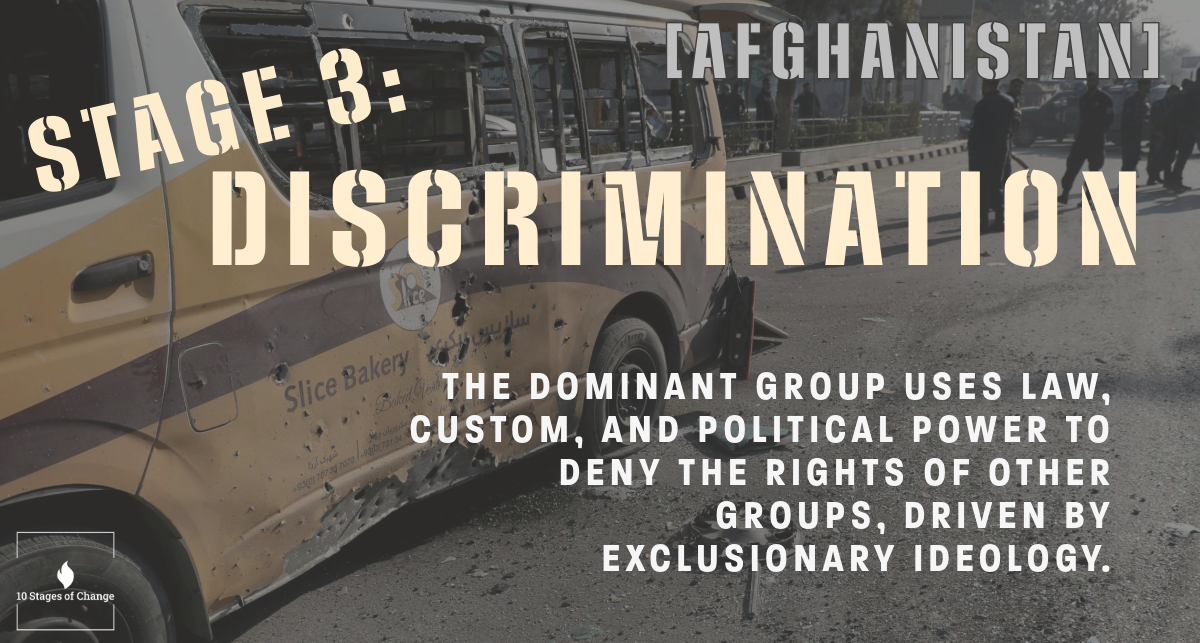
  • Stage 3: Discrimination.

    Case Study: Afghanistan.

  • Stage 4: Dehumanization.
    Case Study: Rwanda.

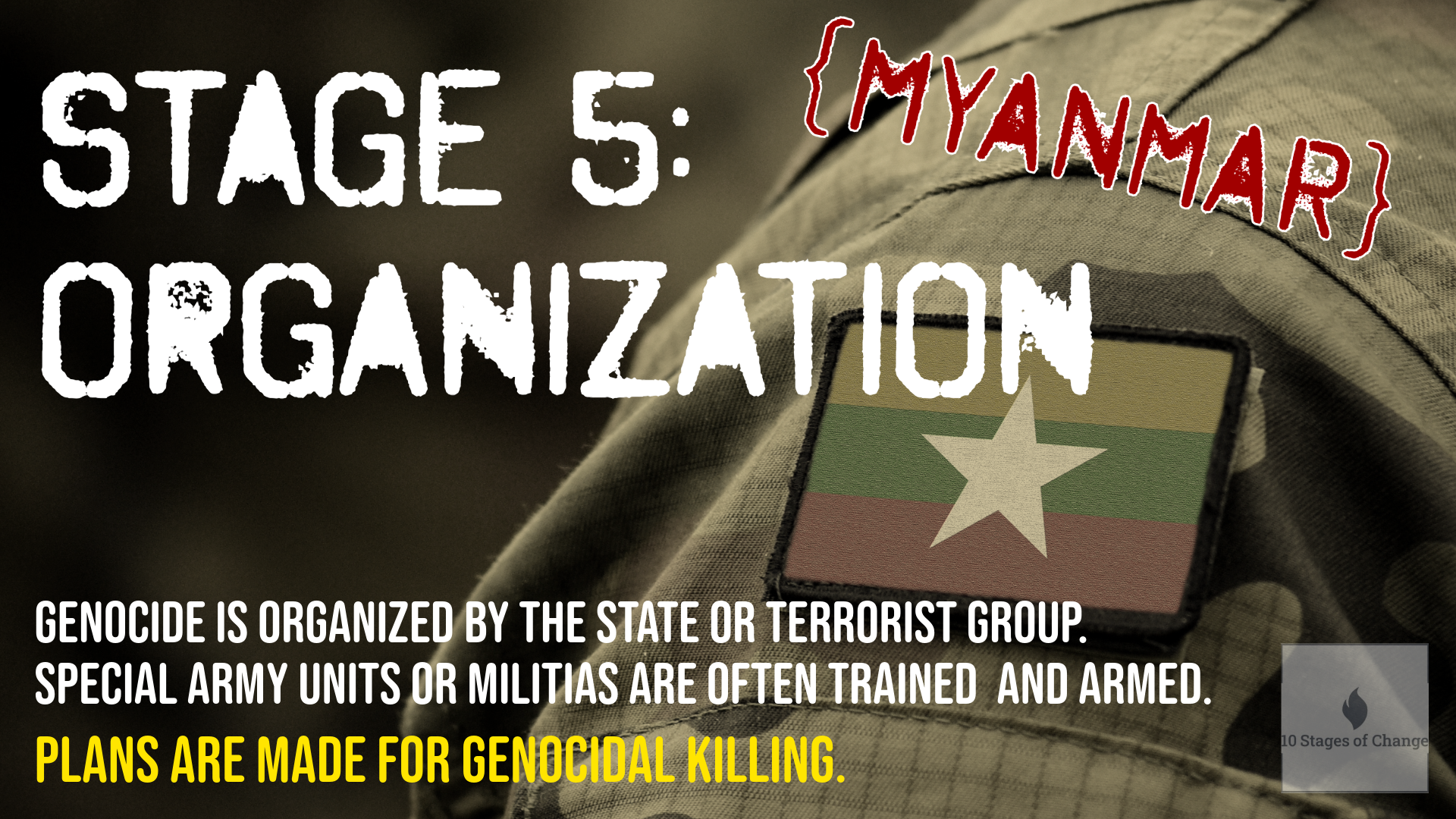
  • Stage 5: Organization.

    Case Study: Myanmar.

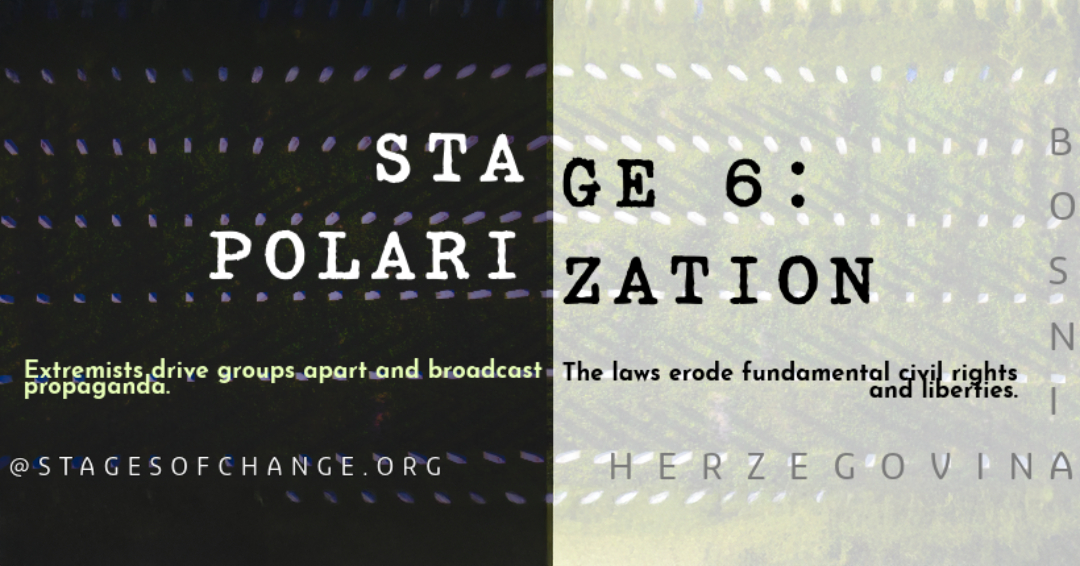
  • Stage 6: Polarization.

    Case Study: Bosnia & Herzegovina.

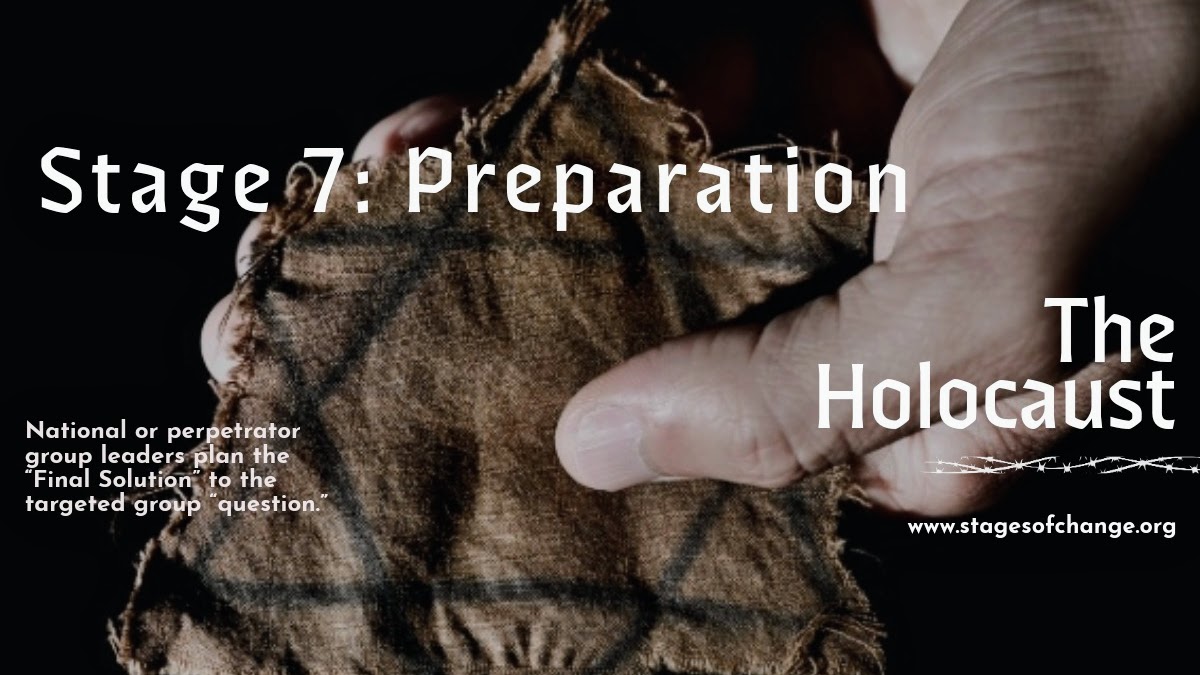
  • Stage 7: Preparation.

    Case Study: The Holocaust.

  • Stage 8: Persecution.

    Case Study: Xiangjiang.

  • Stage 9: Extermination.
    Case Study: Guatemala.

  • Stage 10: Denial.

    Case Study: Native American Genocide / Armenian Genocide /

  • From ‘Us’ to ‘Them’: Classification in Darfur

    Week 1 focuses on the first stage of genocide, Classification, featuring Darfur, Sudan. It highlights personal accounts and the urgency for awareness and intervention.

  • Threads of Resistance: Symbolization in the Cambodian Genocide

    Week 2, Stage 2: The Symbolization stage of the Cambodian genocide, 1975-1979, is analyzed. The impact of the Khmer Rouge regime on the culture and people is explored, highlighting the resilience and ongoing struggle for justice and human rights.

  • In Darkness and Separation: Women, the Hazara, and Discrimination in Afghanistan

    The Hazara face relentless, systematic attacks under Taliban rule. Women’s rights regress to repression and silence.

  • “Like Moths to a Flame”: Dehumanization in the Rwandan Genocide

    An in-depth analysis of the fourth stage of genocide, dehumanization, focusing on the Rwandan genocide as a case study. Dehumanization of Tutsi people is highlighted, including the role of media in inciting violence, and the historical roots of ethnic divisions, while intertwining personal testimonies and survivor accounts with the broader analysis of the genocide’s progression.…

  • The Architecture of Annihilation: Organized Genocide in Myanmar

    Please Note: The following blog post contains descriptions and narratives of violence and genocide, as well as an analysis of human behavior relating to sensitive topics, including racism, intolerance, sexual violence, physical violence, death, and genocidal acts. Some images and details may be disturbing or upsetting to readers, including graphic imagery. Please be mindful of…

  • Splintered Lines: Polarization and Division  in the Bosnian Genocide

    ‘My youngest boy… those little hands. I imagine them picking strawberries, holding books, going to school. Every morning I cover my eyes so I don’t see other children heading to school, husbands walking to work, holding hands.’