Please Note: The following blog post contains descriptions and narratives of violence and genocide, as well as an analysis of human behavior relating to sensitive topics, including racism, intolerance, sexual violence, physical violence, death, and genocidal acts. Some images and details may be disturbing or upsetting to readers, including graphic imagery. Please be mindful of the content before continuing.
Visit Mental Health America’s site for information on mental health, getting help, and taking action.
Introduction
The following is part of a series of blog posts concerning genocide and the ten stages of genocide outlined by Gregory H. Stanton. The purpose is not only to raise awareness of the multiple genocides from the past and the present but to provide a set of actions within realistic time constraints that you can take immediately to promote change, prevention, and tolerance. Each week covers a different stage of genocide, with a specific country or region in focus that has or is currently experiencing genocide. It concludes with an analysis of how that stage is or was evident in the featured genocide and what actions can be taken specifically to work against it.
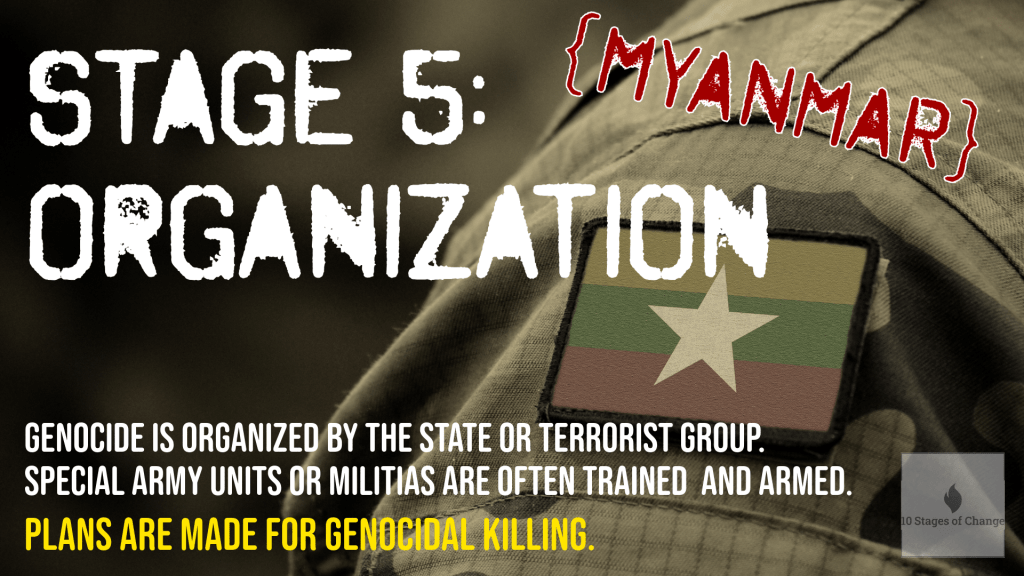
Organization is the fifth stage of genocide.
The case study is Myanmar (Burma), with genocide against the Rohingya occurring from October 2016 to the present.
I. The Official Facebook Page for Khing Hnin Wai, Fitness Influencer. Nay Pyi Taw, Myanmar. February 1, 2021.
By early 2021, the unprecedented wave of fear felt universally across the world as Covid-19 ravaged society opened up, incidentally, the opportunity for otherwise everyday people to become influencers. Public broadcast of otherwise mundane events became the norm, and soon, the demand.
On the morning of Monday, February 1, 2021, individuals across Myanmar felt particularly defeated as they awoke around 7 a.m. to a quiet morning, but with the after-effects of a contentious election from November still permeating throughout the country. Myanmar’s army, claiming the election to be fraudulent, had their eyes on their primary target: Aung San Suu Kyi, who had won the election by a landslide.
Kyi was no stranger to conflict. Described as “a beacon of human rights” and “principled activist,” she had become a figurehead of salvation for the country of Myanmar (formerly Burma), fighting oppressive, violent army forces.
In 1991, Kyi won the Nobel Peace Prize, hailed as the voice of the voiceless, the “power of the powerless,” even as she accepted the award from her prison cell: her bedroom, under house arrest. One might say she was prepped for the new normal of 2020, 2021, and beyond.
Between 1990 and the early 2000s, Kyi seemed to be playing a game of cat-and-mouse with the oppressive army she was determined to fight against, and ruling government leaders at various times, bouncing back and forth from house arrest to solitary confinement and, eventually, in an unexpected turn of events supported by an overwhelmingly positive response from the public, she was elected Myanmar’s state counsellor.

But, if at this point in the series, the reader has not yet noticed a recurring trope of “good leader gone bad,” well, here we are again. By now, it should be much clearer.
Among many issues that some came to resent from Kyi was a certain hypocrisy as the self-proclaimed supporter of human rights turned the other way despite an ethnic minority – the Rohingya – suffering immensely under permissible persecution. Though she faced little condemnation from the largely Buddhist majority at home, who didn’’’t take much issue with what others called “complicity” in the rape, murder, and accusations of genocide against the Rohingya minority fleeing in droves to Bangladesh to escape persecution and burning.
Around the same time, “the Lady” as Kyi was known, began silencing and even prosecuting journalists and human rights activists behind the scenes, then openly. Her tactics have been described as “colonial era” in nature.
Kyi had fallen from grace.
At the same time, promises of substantial change, particularly concerning the military, seemed to diminish greatly.
It became clear by August 2018, when Kyi called the military generals who held substantial parliamentary power in her cabinet “rather sweet” men, that the possibility of a democratic transition was illusive, or at the very least — performative.
Covid-19 only heightened tensions. For many, patience was up.
On the morning of February 1, 2021, military-owned television made the initial announcement, but for the most part, Myanmar remained quiet in the early morning hours. However, some awoke to poor cell signal, internet outages, and non-working phone lines.
For many, both in Myanmar and globally, it was the golden hour for tuning into influencers: watching them, getting ready with them, exercising with them, living vicariously through them, and, today, overthrowing a government – a Coup 101: Myanmar Edition.
Khing Hnin Wai, capitalizing on the surging demand for a smiling face (even behind a mask) to brave the elements of the outside world, demonstrating an aerobics routine Myanmar and others around the world would watch as everything seemed to crumble around them and feelings of isolation and loneliness became increasingly toxic, set up her space as she had for the past 11 months.
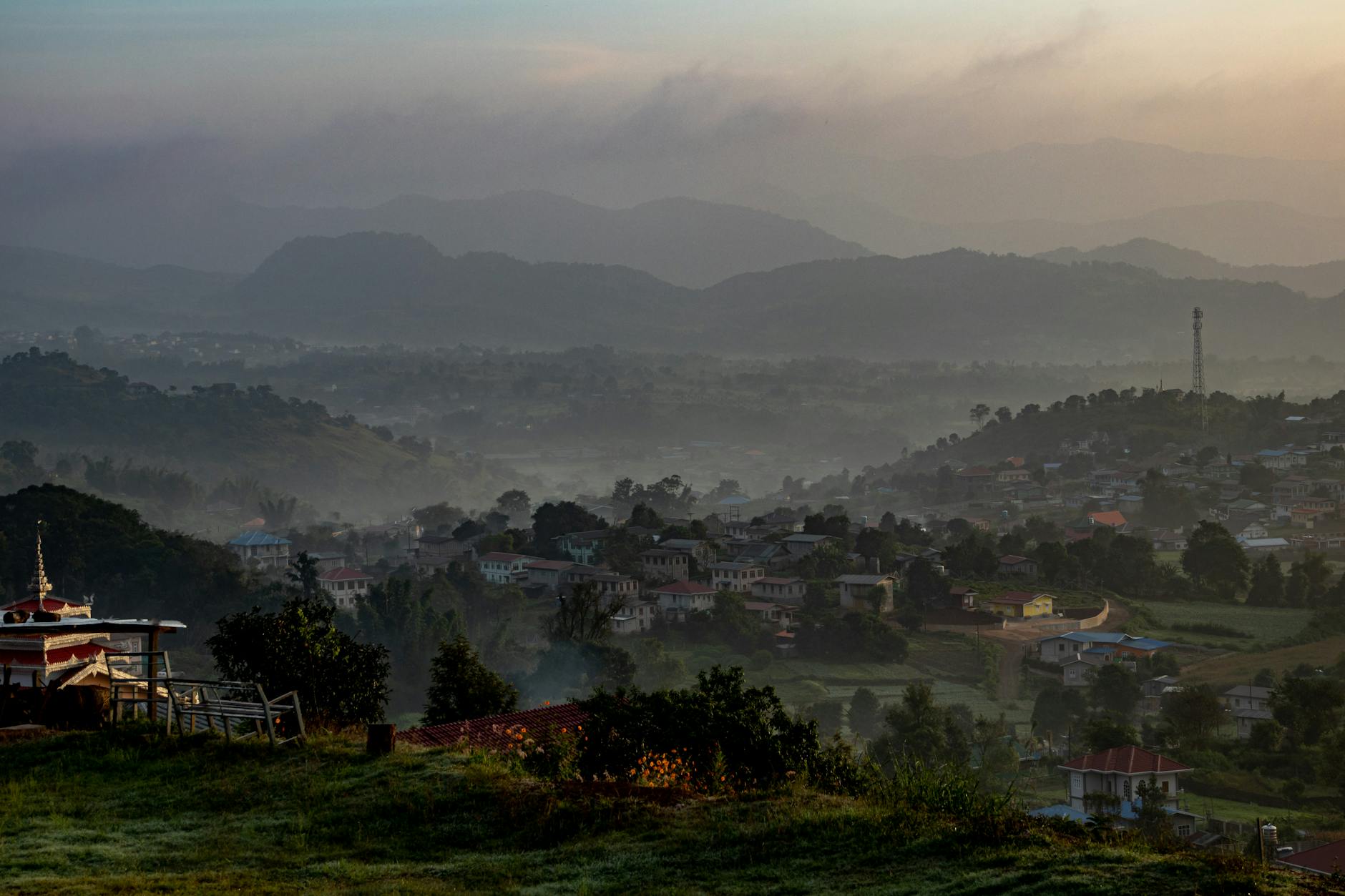
The location: the parliament complex in Myanmar’s capital of Nay Pyi Taw on a roundabout by the main road leading to the complex, which was Wai’s favorite spot to livestream her upbeat aerobics sessions. The irony only came to light in hindsight, but the parliament complex as a backdrop for her fitness routine was, in some ways, a sense of comfort to both Wai and her viewers.
Precise and purposeful in her movements, one can imagine why Wai enjoys this spot. After setting up a tripod with her phone turned facing her that Monday morning, she appeared confident as ever, as that of an expert instructor: a plot of red, painted concrete laid out like a stage in front of a wide, multi-lane expanse of monochrome views with the sterility of cold, empty streets, straight painted lines, and white lights lining either side of the wide concrete slab bent slightly inward — a bow to symmetry, a bow to conformity and order.
To organization.
On this day, an upbeat track, to start the week off on a positive note.
Her mask placed over her mouth, behind her ears, Wai steps back in full view of the camera as her bright neon green shorts and matching workout shirt shine brightly against her olive skin and otherwise dark, carefully tied hair that drapes down her back with just the right amount of rigidity and hold, just the right amount of looseness and letting go.
Between the bowed street lights behind her, a barricade stands between the free and the parliament – seemingly a permanent fixture to block any bad actors or visitors from the arbitrary entrance.
It’s not a particularly glamorous sight. In fact, it is rather ugly: rows of cars, motorcyclists — all military and government-owned and branded, stationed at the parliamentary grounds where Kyi (the “Lady”) likely woke just a couple hours before, preparing to face another day of Covid, another day of praise, another day of criticism, another day of a “new normal” even she had trouble accepting.
In spite of the ugliness, Wai is ready. Thousands tuned in, and she decided it was a day for upbeat dance music. Her heart pumping, Wai beigns her routine facing the camera’s left, her legs kicking up, arms extending forcefully, throwing punches into the air before lunging from one side to the other.
As she turns to face the camera head-on, repeating the same move, there is evidence perhaps of a smile, something in the eyebrows, even through her mask. The upbeat track picks up speed and so does Wai’’’s enthusiasm. The thousands upon thousands of viewers, pouring in worldwide to start their day with a push to motivation, feel the energy too. It is electric. Even through the lens of social media; perhaps, especially through the lens of social media.
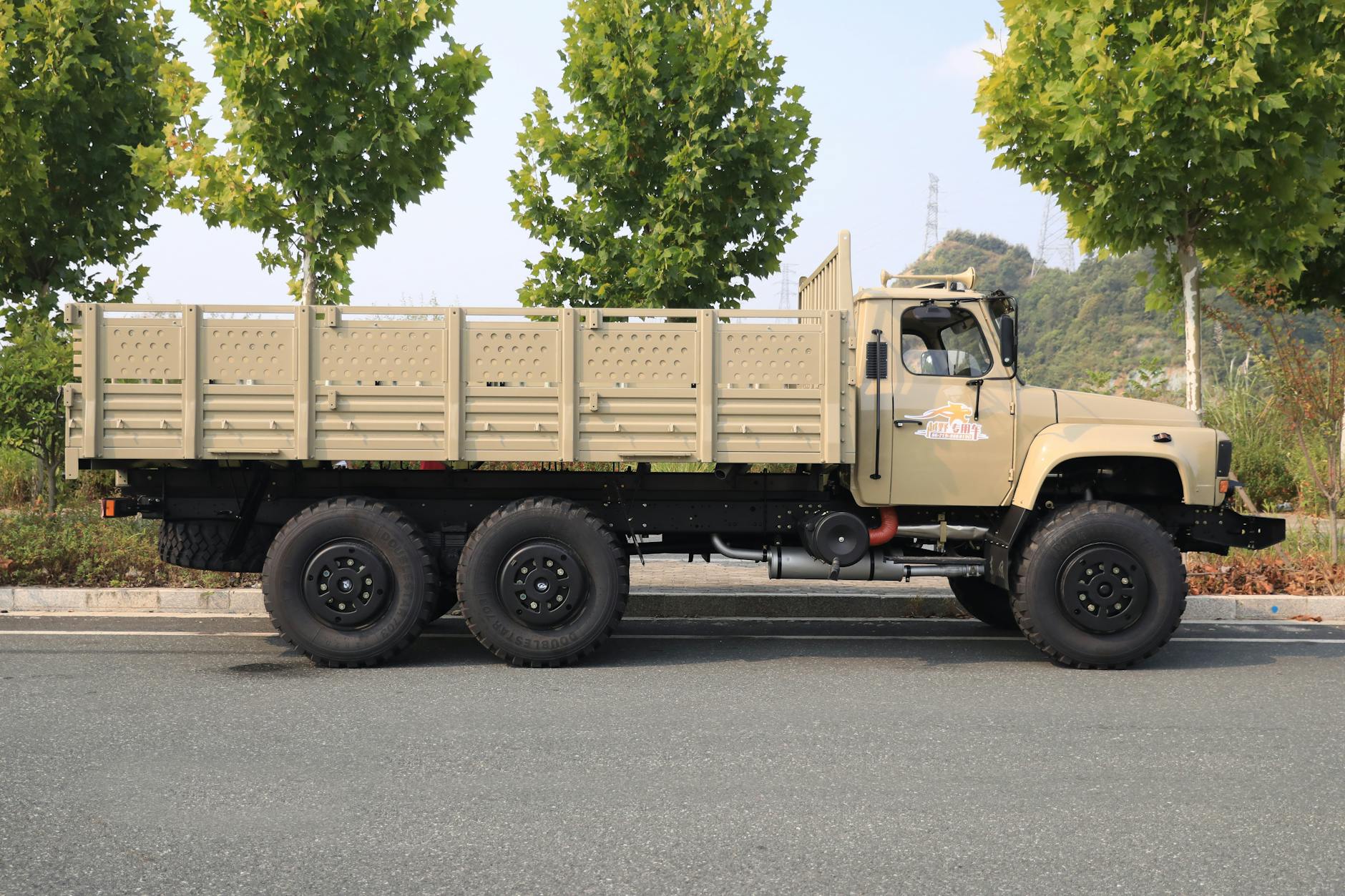
The sky is perfectly clear as Wai spins, fists lifted up to the sky again as if to say “thank you,” her eyebrows suggesting a smile while a black SUV drives past her staging area and turns at a curve before disappearing behind her as she slightly shuffles to the right, arms pumping back and forth to the increasing speed of the music, her heart rate rising at the same time a truck with several men in helmets swerves behind her, following the SUV.
Her favorite part is next, as she leaps from left to right, with the smash of the drums in the music, arms fully outstretched to the sky now, before lifting each leg as high as she can. By now, she is fully in the moment – this moment of exhilaration, this moment of shared experience, this moment in Myanmar – and six SUVs swerve onto the same curve behind her, following the others before a truck with more men appears, then two sedans with police lights.
Wai stops, but it is part of the dance: a slow, purposeful turn to face the other direction as she shuffles her legs forward, then back as three more police vehicles, one with armed military men piled in the back, crouched and staring curiously at the strange fitness instructor ignoring them, oblivious as four more sedans, two more armored SUVS, and three trucks speed around the corner.
The barrier in the background collapses. Men scatter everywhere.
As Wai shuffles to finish the last moves of her routine, another group of armed men jump from their positions in the back of a truck and, charging the removed barrier and another speeding erratically into the distance toward parliament directly, she smiles, and within moments all vehicles disappear behind her, the sight of rifles, machetes, and other weapons protruding from the back of the trucks before they become so distant that they are gone, heading straight for Kyi, the Lady, the counsellor who fell from grace.
Wai stops the video, out of breath, looking around her but noticing nothing unusual at first glance; the messages start pouring in.
She didn’t know it then, but Wai had just become the first influencer to live-stream a coup that would bring about unprecedented change, hardship, and a state of emergency in Myanmar, all to an international audience frozen in shock.
“What’s the matter?” she thought.
It was the last live stream she would produce at that location after 11 months.
Within two hours, the coup was complete, including the seizure of power, arrests, and declaration of total control. The face of Myanmar would change forever.
Still audible, the dance song by Tian Storm xEver, Silkr, kept on as Wai began to face the horrifying reality of what she had just filmed, its lyrics repeating appropriately:
“They are coming, one by one,
They are coming, to fight.
To fight!”
For the next year, that same state of emergency would further terrorize the country as Aung San Suu Kyi and her government were deposed.
The new normal was suddenly a thing of the past, as a new Myanmar emerged by the end of a fitness video.
They are coming, to fight.
To fight!”
II. Myo Win Tun, Rakhine State, October 2018.
Three years before the coup, on a humid October day in 2018, army private Myo Win Tun stood at the edge of a newly constructed military outpost in the northern Rakhine State of Myanmar. The outpost, strategically placed on land once home to a Rohingya village, was part of the Tatmadaw’s (Myanmar army) broader effort to maintain control over the region following the mass exodus of Rohingya in 2017.
Of all the years that spark the most intense memories, it is, of course, 2017. The village that had stood here had been burned to the ground during the “clearance operations” that year. Many declared genocide in 2017. An already hurting country self-immolated.
Rakhine State, with its rugged hills and dense forests, had long been a contested region for its strategic importance and natural resources. The Tatmadaw, Myanmar’s military, had been expanding its presence in the area for years, ostensibly to maintain order but in reality to solidify its control over the land. The military’’’s interest in Rakhine was not just about security; it was about economic control—ensuring access to the state’s rich natural resources and strategic coastline.
Army private Myo Win Tun had been one of the officers responsible for executing these operations.
“We were given clear orders,” he later admitted in an interview with a journalist who was able to meet him under the condition of anonymity. “The objective was to clear the area of terrorists, but it was understood that this meant removing the Rohingya entirely.”
Myanmar has historically regarded Rohingya Muslims as illegal migrants from Bangladesh, despite the fact that their families have resided in Myanmar for generations. Since 1982, nearly all have been stripped of citizenship, resulting in their effective statelessness. Additionally, they face severe restrictions on freedom of movement and are denied a range of fundamental rights.
As Tun describes to a journalist the operations he carried out with 19 other perpetrators in what had been deliberately planned in advance with clear directives, he said in one operation, they killed and buried 30 people: “eight women, seven children and 15 men and elderly.” A specific order was to “exterminate all Kalar” — a derogatory name for the Rohingya — and that they shot the men in their foreheads and kicked their bodies into a hole. Then, they raped the women before killing them, one at a time. Tun admits to raping at least one of them.

Tun, and other soldiers filmed on camera committing the atrocities which were obtained by human rights groups, claims the killings were sanctioned and ordered by his battalion commander, Lt. Col Myo Myint Aung.
Human rights group Fortify Rights, who gathered evidence from many of the militia and perpetrators of such crimes, stated that “Myanmar army is a well-functioning national army operating with a specific and centralized command structure where commanders control, direct, and order their subordinates in all they do. In this case, commanders ordered foot soldiers to commit genocidal acts and exterminate Rohingya, and that’s exactly what they did.”

Indeed, the organized “clearance” was an overwhelming success.
The organization behind these operations required careful, measured precision. Tun described how the military spent months planning the attacks, gathering intelligence, and coordinating with local Rakhine militias. The strategy was not only methodical but both highly secretive and, ironically, wildly open simultaneously.
“Everything was mapped out in advance,” he said. “We knew which villages to target, when to strike, and how to cover it up.”
The “clearance” of Rohingya villages was not just about physical destruction or claiming of land, though this was, of course, a major element. But it was also about erasing any trace of Rohingya existence.
“After we cleared a village, we would bulldoze the area to make sure nothing was left,” Tun explained. “Then we built outposts or gave the land to Rakhine settlers.”
The goal, he said, was “total extermination.”
The Tatmadaw’s methods, rooted in the military’s long history of counter-insurgency operations, was, all things considered, quite smooth. It was not, by any means, a sporadic burst of hate-instigated violence.
In Rakhine State, predictably, existed an integral division of ethnic and religious disparities, primarily fueled by decades of propaganda that portrayed the Rohingya as illegal guests. Then, as unwelcome breachers. Then, as illegal invaders. Dangerous invaders. Murderous, violent invaders not to be trusted and who many decided, after the right dose of organized propaganda, must go back from where they came from, or get rid of them entirely. For protection, of course. For extermination.
In this sense, the persecution of Rohingya in Myanmar was beyond a military operation of strict military interest or public safety, despite the propagating which at times suggested otherwise; it was a state-sponsored campaign, over time, reinforced by laws and policies that stripped the Rohingya of their rights to facilitate their total erasure.
It is, perhaps, the oldest trick in the book. Why generate new ways of persecution, discrimination, hate, and racist ideology when the classic means of simple scare tactics on a frightened and vulnerable nation are so wildly successful? If only countering misinformation and hate were as easy as propagating it. But, of course, the natural human reaction is built for scapegoating. We are hard-wired for it to protect our own. At whatever cost. Even when we know it’s wrong. Even if under the guise of religion or, perhaps even worse – morality.
Tun is not the first to chuckle at this – at the ease of manipulation, which is so simple that one can’t help but chuckle. And for Tun, the operation was not only successful but by 2018, the vast majority of the Rohingya who had lived in northern Rakhine were either dead or had fled to Bangladesh. And the most silent and passive, citing an existential threat that had otherwise not existed just years prior? Buddhist monks – arguably the most peace-loving of all.
“Morality is relative,” said Tun. “It’s made up. To reassure oneself that their own selfishness and disregard for others is justified. We capitalize on that.”
The land once inhabited by Rohingya was now under the total control of the military, with new settlements being established to ensure they could never return.
“It was a duty to protect our country,” he continued. “The Rohingya were, and are, a threat to our national security. We did what was necessary to neutralize that threat, and I can’t apologize for it.”
But behind his words lay a brutal reality.
The organization of genocide in Myanmar, to be clear, was never about reshaping the country’s identity into something more prosperous and new. It was about erasing those who were already there and had existed for dozens if not hundreds of years but did not fit into the Tatmadaw’s vision for Myanmar and the pursuit of making Myanmar a place of greatness.
Rakhine State, said Tun, would redeem itself, not through apology – but through elimination.
Annihilation.
III. Mohammed Rafique, Cox’s Bazar, May 2022
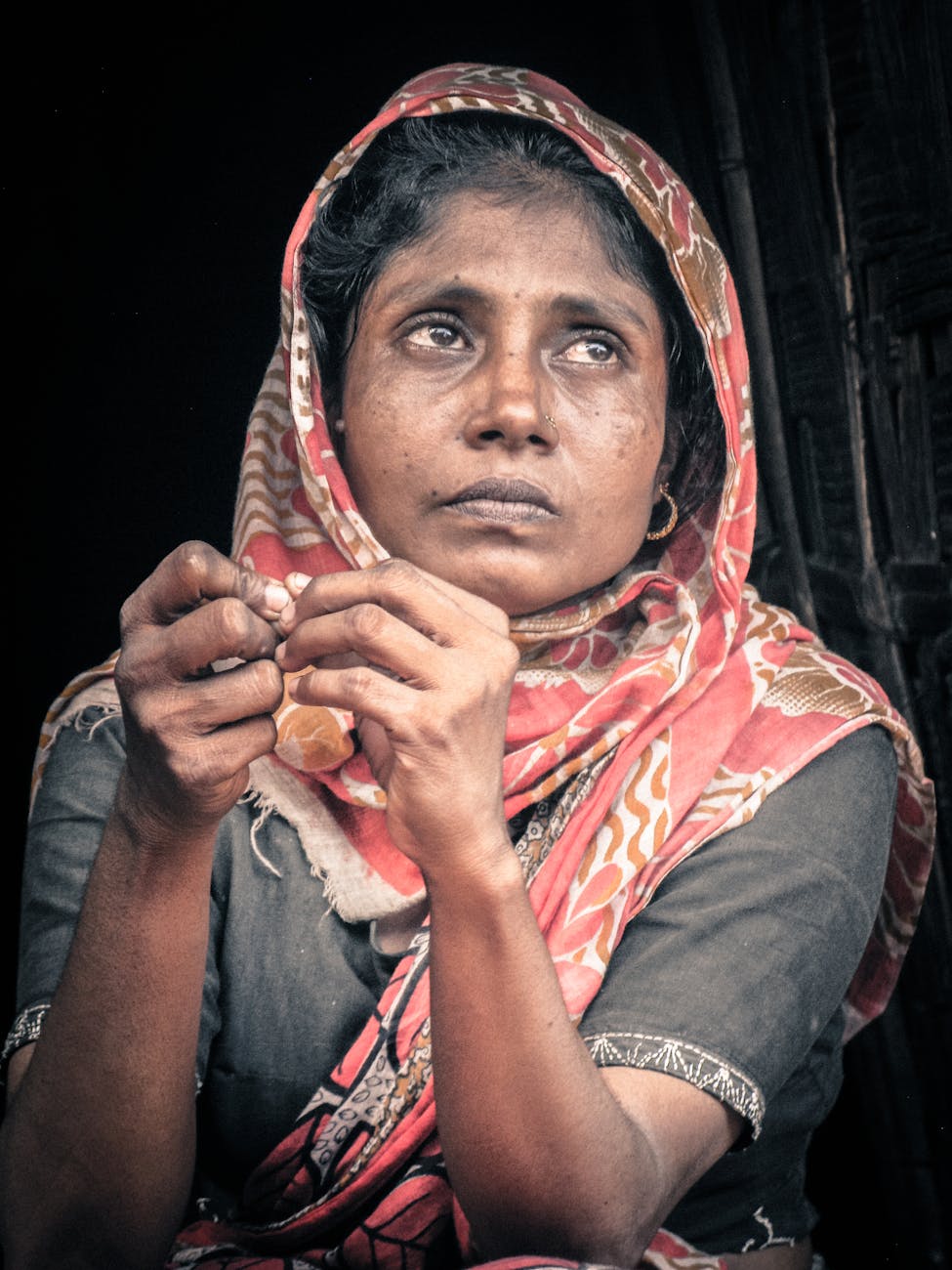
In May 2022, Mohammed Rafique sat on a plastic chair outside his shelter in the sprawling Kutupalong refugee camp in Cox’s Bazar, Bangladesh. He was 27 years old but looked much older, the toll of years in the camp evident in the deep lines on his face. Rafique had fled Myanmar in 2017, escaping the violence that had consumed his village in Buthidaung Township.
Since arriving in Bangladesh, Rafique had become one of the many voices speaking out about the atrocities committed against the Rohingya. He often shared his story with journalists and human rights workers who visited the camp, hoping that his testimony might bring some measure of justice. “I want the world to know what happened to us,” he said. “We were not terrorists. We were farmers, teachers, students. They tried to erase us.”
Rafique’s village had been one of the first targeted in the Tatmadaw’s “clearance operations” in August 2017. The soldiers arrived in the early hours of the morning, their approach heralded by the sound of helicopter gunships overhead. “They came with guns, torches, everything,” Rafique recounted. “They surrounded us, set fire to the houses, and started shooting.”
Rafique had managed to escape into the surrounding jungle, but many of his neighbors were not so lucky. “They killed everyone they found,” he said. “Men, women, children. It didn’’’t matter. They wanted us gone.” After days of hiding and moving through the forest, Rafique eventually made it to the border with Bangladesh, where he joined the thousands of other Rohingya refugees making the perilous journey to safety.
Even in the relative safety of the refugee camp, Rafique’s life was far from easy. The conditions in the camps were dire, with overcrowding, disease, and a lack of basic services making survival a daily struggle. But for Rafique, the greatest pain came from the uncertainty of the future. “We can’t go back, but we can’t stay here forever,” he said. “We are trapped between two worlds, with no place to call home.”
The camp at Cox’s Bazar is one of the largest refugee camps in the world, a sprawling maze of bamboo and tarpaulin shelters that house over a million Rohingya refugees. The air is thick with the smell of cooking fires, mingling with the stench of open sewage. The narrow paths between the shelters are crowded with people, many children who have known nothing but life in the camp. For Rafique, the camp is both a place of refuge and a prison, a constant reminder of what he has lost and may never regain.
Sometime in 2021, Rafique recalls, word first spread across the camp of a coup. Some had seen it go “viral” through social media – a fitness influencer, they said. “But who cares of these matters when one is starving?” said Rafique.
Initially, the overthrowing of Aung Suu Kyi in the coup – the now defamed “peace advocate” and leader who fell from grace in her complicity against the Rohingya for more than 5 years, seemed a welcome change. Perhaps complicity would come to an end.
This hope was short-lived. It was the Myanmar army itself who overthrew Kyi and her circle of equally corrupt supporters. The military’s seizure of power demonstrated its continued willingness to bypass legal and democratic processes to maintain control, and its uncanny ability to continue to get away with it. And yet, the military, who faced minimal to no consequences for the genocide to this point, emboldened its belief that it could act with impunity, including seizing political power. Because…why not?
The instability ushered in by the takeover since hindered international and domestic efforts to hold the military accountable for the genocide or improve conditions for the Rohingya. While the coup and persecution of Rohingya are different manifestations of the same underlying problem, the Tatmadaw’s dominance and disregard for human rights carry the same organizational strategy and with startling success.
As far back as 2017, UN Secretary-General Antonio Guterres described the crisis as “the world’s fastest-developing refugee emergency…a humanitarian nightmare.”
The same month, the mass graves started to be uncovered.
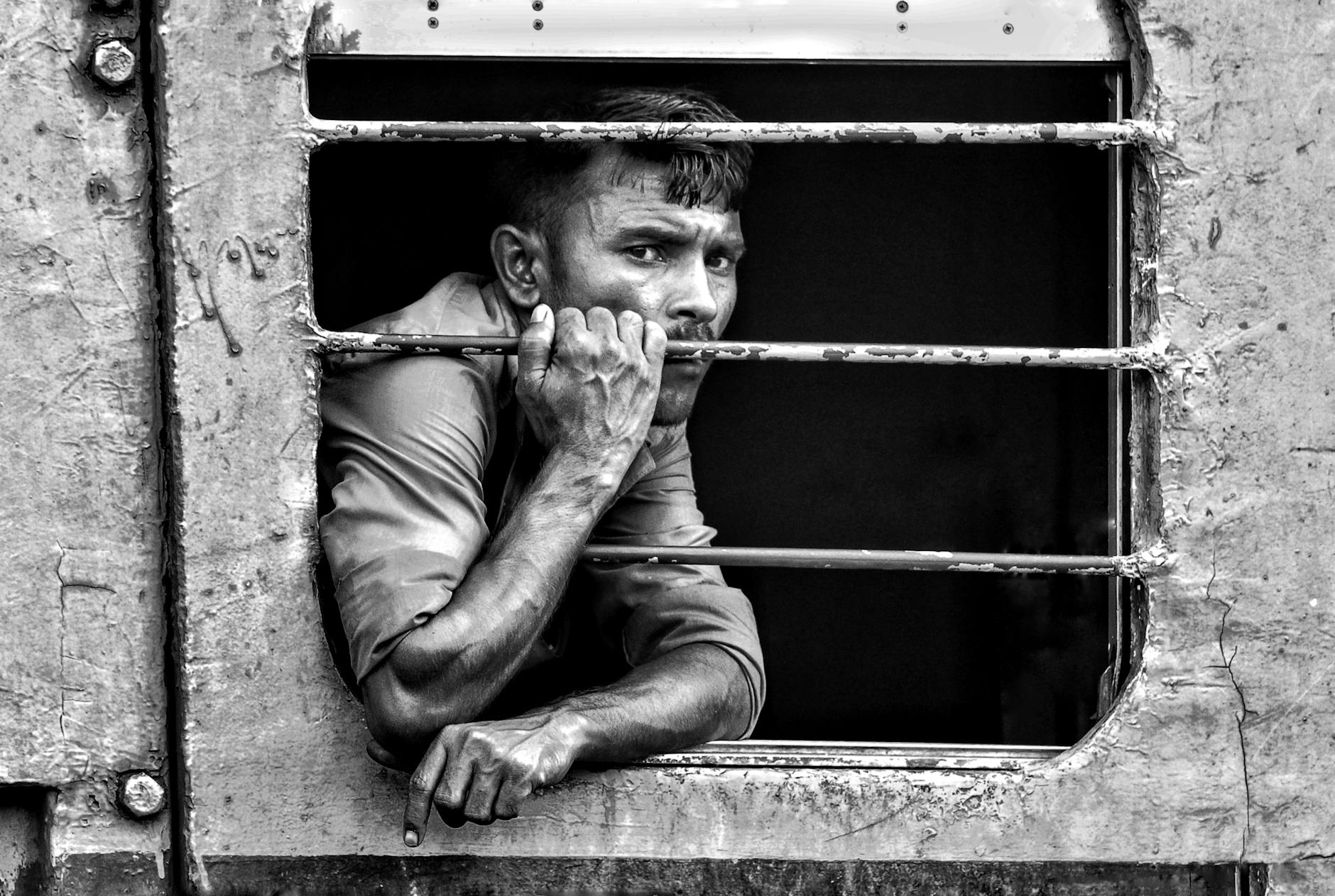
“But they won’t call it what it is,” Rafique claimed, tears in his eyes.
Guterres’ assertion came in 2017 after over 700,000 Rohingya were forced to flee. (As of today, the number is well over 900,000.)
“To here,” says Rafique. “To the eternal waiting room. To the holding room where we wait to die.”
The Myanmar military brushed the numbers off as “mass volunteer deportation.”
Rafique, staring into the distance with the flames of his village still in his eyes, quietly whispered: “Genocide. It’s genocide.”
In July 2022, two months after Rafique’s interview in which he reported conditions in Cox’s Bazar, a report from Reuters revealed an extensive plan by Tatmadaw to eradicate the Rohingyas, calling the deliberate organization of militia to systematically eradicate the Rohingya population a crime against humanity.
Less than a month later, Myanmar government and its commanding officers were charged with genocide.
Rafique never got to see the day that Myanmar government was charged with genocide, however.
Two days before the announcement, he succumbed to starvation and exhaustion and died alone during the night, his body buried in an overcrowded burial site nearby, with other refugees praying over him in a Salat al-Janazah (funeral prayer) before his final burial.
IV. Defining Organization and Evidence in Myanmar
The need to call a genocide genocide is perhaps one of the most central problems with the crime itself. At times, we are too hesitant to call it out. Other times, we use it too loosely, diminishing its power. But to prosecute the crime of genocide, which historically has been incredibly difficult to do, one must prove intention. And perhaps no stage of genocide exemplifies intent more than that of stage 5: organization.
This fifth stage involves a key element of genocide that is often used to draw the line between what is and isn’t genocide itself, and thus is a stage of critical importance, with the element being systematic.
According to Stanton’s Ten Stages of Genocide, organization is defined as follows:
Genocide is organized by the state or terrorist group. Special army units or militias are often trained and armed. Plans are made for deliberate genocidal killing. Systematic planning and coordination of actions that will lead to the ultimate goal of genocide: the destruction of a targeted group. Unlike earlier stages, which spontaneous or isolated acts of violence may characterize, organization is methodical. It is during this stage that the mechanisms of genocide are put in place—militias are trained and armed, propaganda is disseminated, and logistical support is secured.
In the context of Myanmar, the organization of genocide against the Rohingya was evident long before the violence erupted in 2017. The Tatmadaw, Myanmar’s military, played a central role in this process. For years, the military had been preparing for what it termed “clearance operations” in Rakhine State. These operations were framed as counter-insurgency efforts aimed at eliminating the Arakan Rohingya Salvation Army (ARSA), a small militant group. However, the scale and scope of the military’s actions far exceeded what would be necessary to combat a group of insurgents.

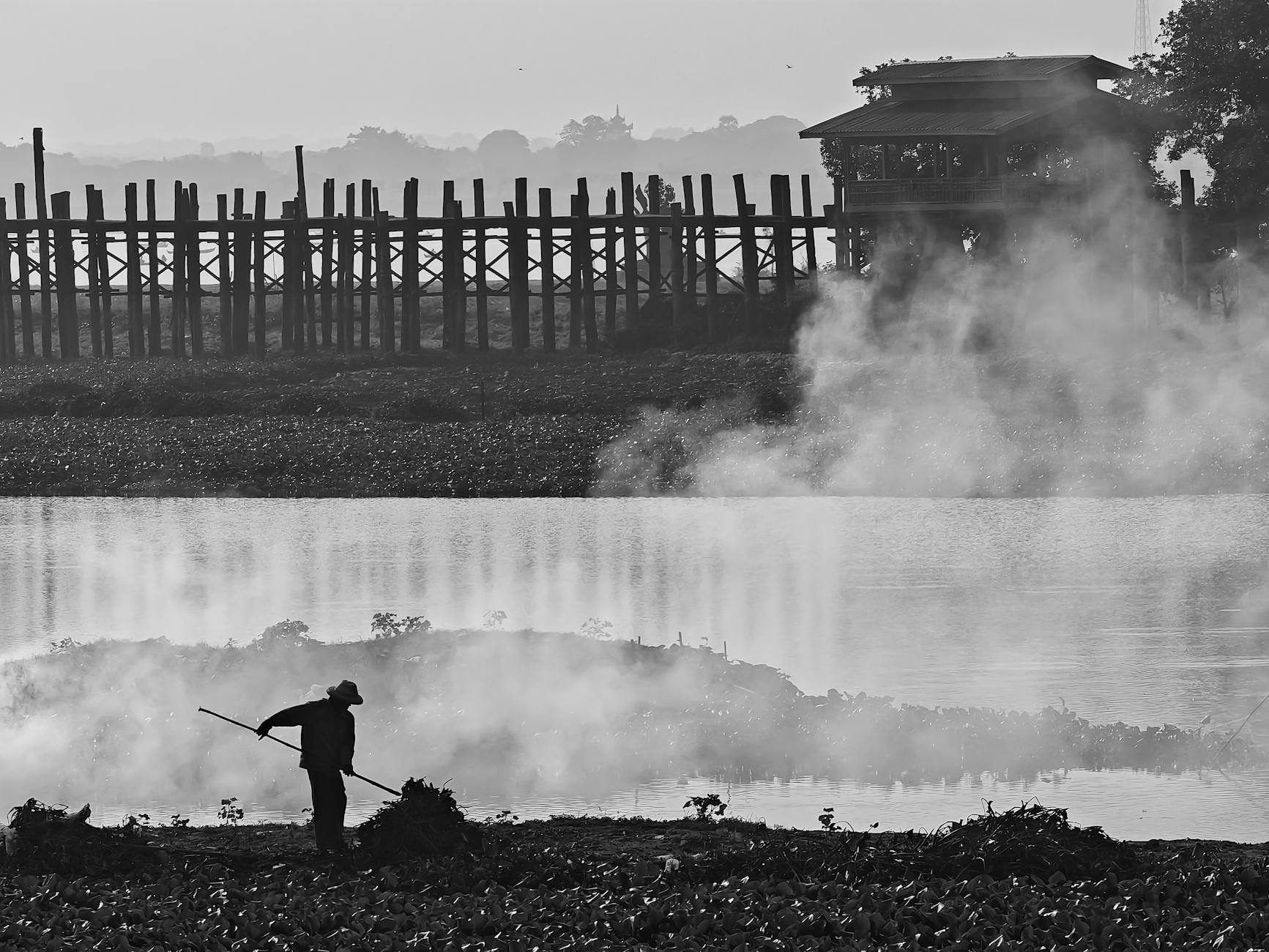
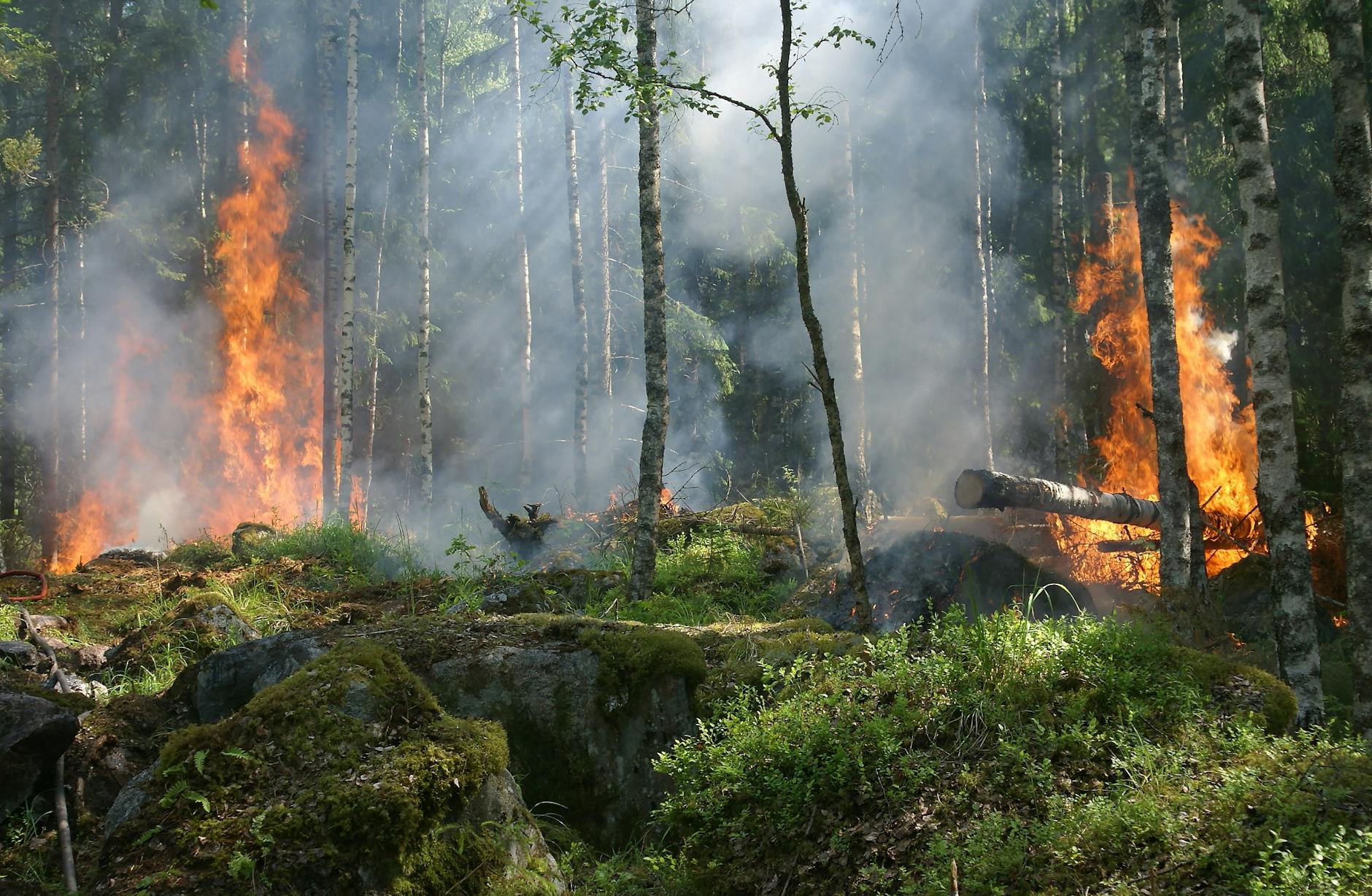
The military’s use of fire as a weapon of terror was particularly effective, as it not only destroyed homes and livelihoods but also left behind a scorched landscape that would be difficult for survivors to return to.
It’s important to note, however, that organization is not always, well, “organized” in the traditional sense. It can be layered, complex, and sometimes only partially successful. Of course, think less of this stage (as any stage) as a singular or isolated event, and more as a piece of a much larger process; without it, genocide is incomplete; but isolated, it is insufficient to constitute genocide. That said, organization of the genocide in Myanmar was not limited to the actions of the Tatmadaw alone. The government of Myanmar, led by Aung San Suu Kyi, played a crucial role in legitimizing the violence. State media outlets propagated the narrative that the Rohingya were illegal immigrants and a threat to national security. This narrative served to dehumanize the Rohingya and justify the military’s actions in the eyes of the broader population.
It makes sense then, that the organization stage follows closely after the dehumanization stage, for which so many other elements of genocide depend.
It is critical to note, however, that by stage five, we are unfortunately beyond a mere crossroads. Serious intervention is essential and still not guaranteed to stop genocide. The mechanisms of killing are already in place, and the killings are already occurring in this stage. We are halfway through the stages, but our opportunity to act diminishes by the day. That said, it is never too late to limit further destruction, and it is the obligation of the international community to act and respond when blatant planning and organization takes place center stage in a location like Myanmar with genocidal killings worsening.
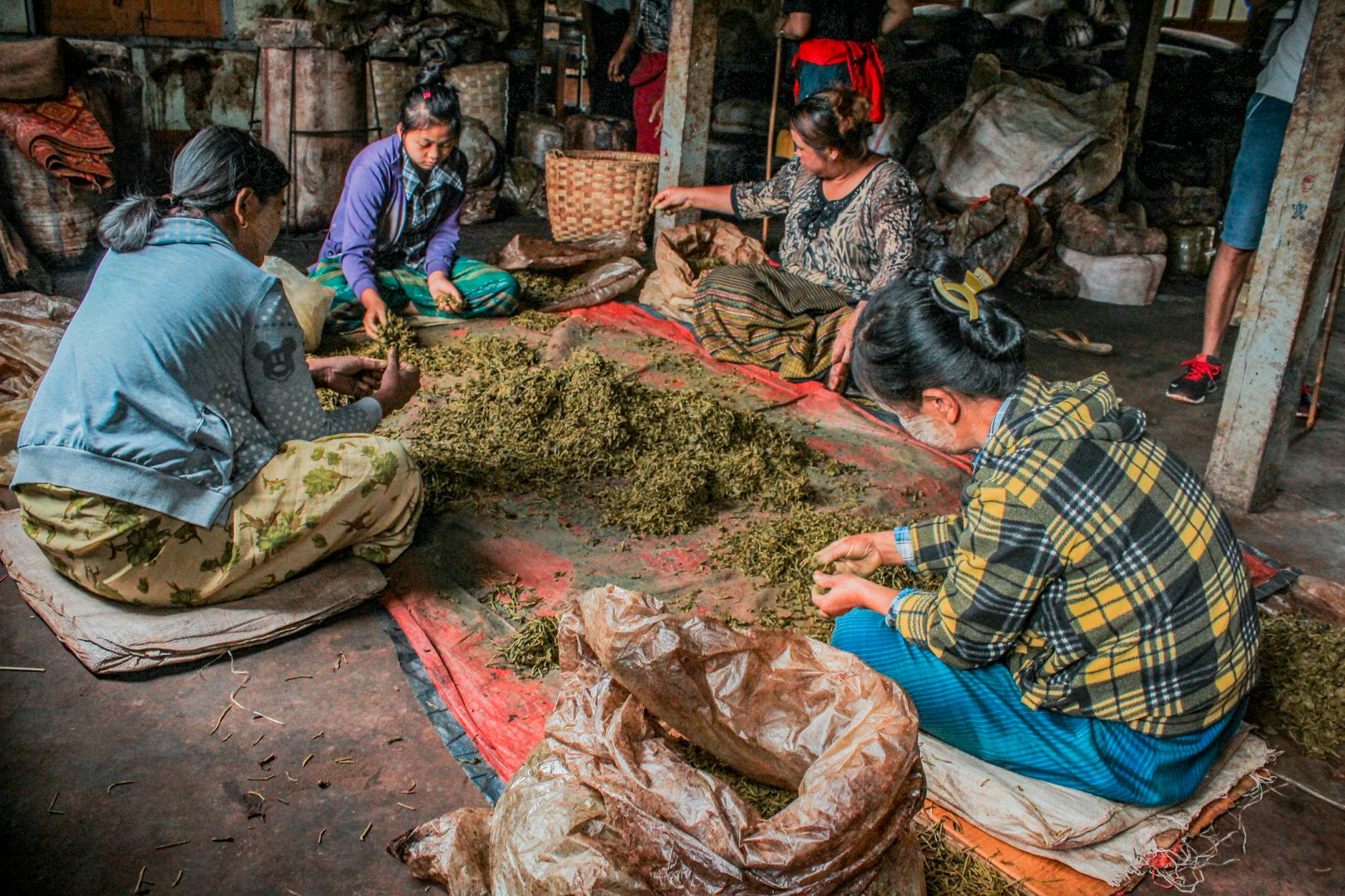
The events in Myanmar serve as a case study in how the organization stage of genocide can be recognized and, potentially, prevented. That is, the warning signs were there long before the violence erupted in 2017—decades of discrimination, dehumanization, and propaganda had laid the groundwork for what was to come. The international community’s failure to act in the face of these warning signs allowed the situation to escalate to the point of genocide even further.
While the situation may seem hopeless as the stages progress, I’d encourage a shift in thinking – a shift closer to how we can recognize and learn from these later stages in which the process of killing has begun, and how they are connected to the earlier stages that are much more preventable. Recognizing the organization stage of genocide requires vigilance and a willingness to confront uncomfortable truths. It involves identifying the early signs of planning and coordination, such as the formation of militias, the stockpiling of weapons, and the dissemination of propaganda. It also requires an understanding of the social and political context in which genocide can occur, including the role of government institutions and the media in perpetuating hatred and inciting violence.
That’s a lot for one person. So let’s start elsewhere.
In the broader sense, the organization stage of genocide is a reminder of the importance of early intervention. Once the mechanisms of genocide are in place, it becomes much more difficult to stop the violence. Preventing genocide requires a proactive approach, one that addresses the root causes of discrimination and violence before they escalate into full-blown genocide. And we can start at home.
The following are specific actions that can be taken both on the individual and collective level to recognize and prevent genocide at the organization stage, and to advocate for and protect the Muslim Rohingya minority in Myanmar and in refugee camps in Bangladesh.
VII. Actions to Recognize and Prevent the Organization Stage
Recognizing the Organization Stage:
- Monitor Local Conflicts: Use resources like the Crisis Group (www.crisisgroup.org) to track conflict zones and identify potential early signs of organized violence. Subscribe to their free newsletter for regular updates on political and social unrest that could escalate. You can’t help or raise awareness of what you don’t know about.
- Identify and Report Propaganda: Report hate speech and militia incitement on social media platforms like Facebook, Twitter, and YouTube. These platforms have reporting tools that let you flag harmful content. The Southern Poverty Law Center (www.splcenter.org) also provides guides on how to recognize and report extremist propaganda that are utilized as tools in the organization stage of genocide.
- Track Legal Shifts: Stay up-to-date on any legal shifts that may target minority groups by following resources like Human Rights Watch (www.hrw.org) and the UN Office of the High Commissioner for Human Rights (www.ohchr.org). Sign up for their alerts to receive timely notifications on any human rights violations and advocacy opportunities. Then, spread the knowledge. Even if it’s just one person.
- Amplify Minority Voices: Follow and support platforms like The Rohingya Project (www.rohingyaproject.org), which provides firsthand accounts and resources about the Rohingya people. Share their content across your social media networks to highlight the voices of those at risk and who are often drowned out by other global conflicts considered more “entertaining” or profitable.
- Combat Dehumanization: Use educational resources like Genocide Education Project (www.genocideeducation.org) to learn about the psychological tactics used in genocidal propaganda. Share these resources to raise awareness about how dehumanization spreads. Additionally, check out the Resources page of Ten Stages of Change for extensive lesson and curriculum materials for all the stages.
Preventing the Organization Stage:
- Join Local Advocacy Groups: Consider joining a local advocacy group focused on preventing genocidal violence. Use platforms like Change.org (www.change.org) to create or sign petitions for your local government to take stronger action against human rights violations. You can also use tools like Meetup (www.meetup.com) to find or create local groups dedicated to refugee advocacy or genocide prevention.
- Attend virtual and in-person events supporting refugees. and educating about genocide: Attend a community workshop or panel discussion on genocide awareness. There are virtual ones in nearly every city at any college. Reach out to local libraries or community centers and offer to organize an event if you feel so inclined.. You can use Google Meet or Zoom for virtual gatherings and invite guest speakers such as human rights activists or academics specializing in genocide studies if you know the right people. If not, ask. These are generally good people willing to donate their time for these causes.
- Support Refugee Integration Efforts: Volunteer with or donate to organizations like RAICES (www.raicestexas.org) to support refugee families in your area, or Interfaith Ministries in Houston. This can be something simple like donating food or offering your time to help with language tutoring. Additionally, offer your skills—whether it’s legal assistance, financial support, or mentorship. Try volunteer.org if you live outside of Texas and search “Refugee assistance.”
- Create or Share Digital Content to Educate Others: Use your social media platform to create and share content that explains the warning signs of genocide and its historical context. Platforms like Canva (www.canva.com) make it easy to design shareable infographics, while TikTok or Instagram allow you to reach younger audiences with brief, impactful messages about genocide prevention. Or, head over to the Resources page of Ten Stages of Change and pick up designs for free!
Steps to Help Myanmar:
- Lobby for Policy Change: Write directly to your elected representatives using resources like Contacting Congress (www.contactingcongress.org), which offers guides on how to effectively reach out to government officials. Advocate for the imposition of sanctions against Myanmar’s military leaders and push for international accountability for crimes against humanity.
- Support Rohingya Artists: Use platforms like Patreon or GoFundMe to donate to or crowdsource for Rohingya artists who use their work to raise awareness about their plight. Many artists are sharing their experiences through painting, writing, and digital storytelling, and they need support to continue their advocacy efforts.
- Engage with International Media Campaigns: Participate in online campaigns led by organizations like Fortify Rights (www.fortifyrights.org) by sharing their reports or joining their social media challenges. You can also donate to help fund campaigns that push for international recognition and intervention in Myanmar.
VIII. Aung San Suu Kyi and General Min Aung Hlaing, Myanmar. Present Day.
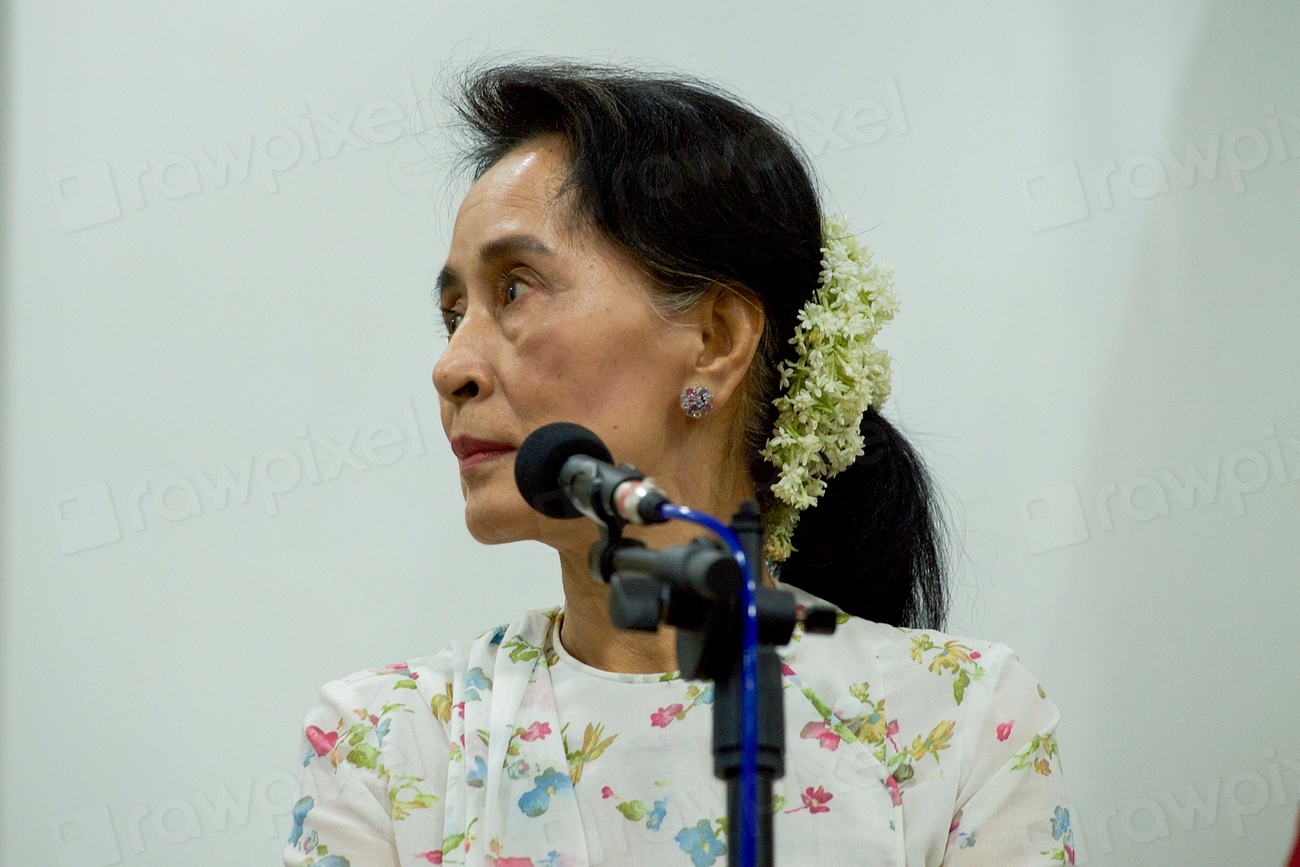
In a world where words hold significant power, Aung San Suu Kyi’s silence has become as loud as any speech.
In mid-2024, she was moved from prison cell to house arrest, where she sits today, separated from the world she once moved, her legacy under intense scrutiny and shame. The Nobel laureate’s fall from grace and subsequent silence today speaks to the fluidity and temporary nature of the organization of power, its ability to shape narratives, and its cold determination to suppress dissent.
And in this, there might be a strange semblance of hope. As fast as organization can form, it can also be dismantled.
In a recent speech delivered by Myanmar’s current military junta leader, General Min Aung Hlaing, the rhetoric was as harsh as one would expect. From the frontlines of an ongoing battle for legitimacy, he announced, “The country will rebuild, but only under the full control of those who know how to protect it.” These words, heavy with the promise of military rule, reflected not just a statement of power, but a preview of the organization stage still at work, still perpetuating genocide and normalizing persecution and exclusion.
The military junta has proven skilled at consolidating its control, from purging opposition voices to establishing a narrative that justifies their total dominance.
Yet, cracks are beginning to show even in the face of this overwhelming power. First small, then large.
While the general’s speech echoed through the halls of the military complex, a small but defiant group of civilians gathered quietly outside the walls. Nameless, they hold their banners—simple, minimal, but loud—read: “We are not afraid.”
We are not afraid.
Every day, more and more civilians continue to find ways to utilize whatever utility they have left, both Rohingya and non. Their actions—whether online or on the streets—or even in the traditional burial of Rafique, who never lived to see the genocide labeled for what it truly was – reflect the quiet rebellion of a population unwilling to be silenced.
Challenges of justice, peace, and accountability remain, to be sure.
But even in death, there is choice – the refusal to accept a narrative of dehumanization; the refusal to let organized corruption consume, but rather to organize, collectively, fiercely. Every social media post, every march, every petition, every time a person in Myanmar or across the world speaks out against the organized oppression, it weakens the grip of those in power who, as all genocidaires do, wait and watch. Inaction IS permission. It is, perhaps, the small, individual actions, the ones that might seem insignificant to some, that will and have, in time, built a stronger foundation for a new Myanmar.

The story of former Burma is a story unfinished. One can sense it in the history alone. It’s an opportunity to create a new history – one that, unlike the speeches of old, will not and cannot be dictated solely by those who intend to chisel away at humanity for their own gain – or in the case of Myanmar militia, the cowardly fear of an “other” whose culture outlives even the boldest of Tatmadwa – and instead, by those who believe in the power of unity; by those who believe in the power of redemption; by those who believe in the power of cohesion, while rejecting separation.
To learn more about the ongoing genocide against the Rohingya in Myanmar, or the ten stages of genocide, visit genocidewatch.com/tenstages or amnesty.org.
A BRIEF NOTE FROM THE AUTHOR
We’re halfway through the ten stages. I thought, back in December of 2023, when I first wrote on Darfur, I would have ten stages written in ten weeks. Ha. Since then, I’ve followed my heart and my passion and combined two of the most important issues to me: education and genocide prevention, as I am now pursing an M.Ed. in Curriculum and Instruction with an emphasis in Holocaust & Genocide Studies at Gratz College. It might be time to change my bio here, and the initial post in 2023 when I said I could never be a scholar on the subject, that all I could do was English. I remember feeling an odd sense of shame and serious self-doubt about even mentioning the subject. I thought I was restricted in what I could do as an educator, that I had to resist AI, interdisciplinary learning, and openness to a new way of instruction. So much has changed since then, and you can see it even in the materials in the Resources page (hence, many are gone, and in the process of revamping!)
This past year I’ve learned about five countries with incredible people, unbelievable resilience, and unfortunately in dire need of support. Our country in the US, is suffering too, though in far more privileged and different ways. However, I encourage people this holiday season, as the year ends and we try one more time for a new beginning, to lean into optimism – and with that said, to not turn a blind eye to the atrocities of the world, because to do so is to turn a blind eye to humanity, and to reject love.
Love was never meant to be easy. But turning away, ignoring – it’s not turning a blind eye to the horror or to the perpetrators. It’s giving them a pass and rejecting the innocent. We cannot accept a world where that is the norm. We do so at a terrible, terrible cost that affects all of us. I encourage readers to be brave enough to face injustices, even when. it doesn’t affect you immediately, even if you have no knowledge of it. There’s only one way to gain it: Face it. Learn it. Face yourself. Challenge your beliefs. Change the narratives you have instilled in you and have the tough conversations about why they’re there. Change a mind. Change your mind. Just change something. There are five stages on this website, with at least 10 actions for each stage, all meant for everyday people just like me and you. That’s FIFTY ACTIONS! Take one at a time, and show the perpetrators of the world that we ARE listening, that we WON’T tolerate genocide, and that we choose LOVE. Every time. No matter what.
We have such limited time on this Earth. To waste it on racial hate, prejudice, bigotry, and resulting violence – is to destroy your own humanity before anyone’s. Because love prevails either way, and remember: It doesn’t have to be doom and gloom. Make the narrative one of hope. Because if you asked Rafique in Myanmar, Miriam in Darfur, Paul in Rwanda, the women in Afghanistan, or Bo and her sister reunited at last in Cambodia before Ly Siv moved back to making the best donuts on the west side of Houston – the ONLY narrative is hope.
Thank you to those 30 people or so who subscribed and read these posts. I know it’s not a popular subject, and not exactly light reading, but it means the world not just to me, but to the 50 million innocent lives taken by genocide and the millions more who survived and only wish to see a world in which it’s eradicated. Thank you to those who have downloaded the curriculum. For those who may not have time to read or engage completely, but have supported my passion and my project; to those who told me to take a step back and a break – my parents, my friends, former teacher friends – thank you. And to the millions of brave men, women, and children who have both perished tragically at the hands of preventable genocide, and the survivors who spoke to me and shared their stories on Reddit, in classrooms, and in testimony from the Shoah Foundation and more – thank you.
We have five more stages to go. And I think readers will enjoy a new take on how the next five stages are structured come 2025.
For now, I can say that for the sixth post (in 2025), we’ll be exploring a stage that – well, doesn’t seem like a stage – but rather the everyday reality of life all over the world, and most recently, the U.S. in particular – that is, stage 6: polarization.
The case study is Bosnia/Srebrenica, with genocide occurring from April 1992 to November 1995.
Until then, happy holidays and Merry Christmas.
And thank you again for reading, listening, or both.
Follow the stages at stagesofchange.org.
Sources
Aldred, John. “Fitness Instructor Obliviously Captures Myanmar Military Coup on Video While Dancing Away.” DIY Photography, 2 Feb. 2021, http://www.diyphotography.net/fitness-instructor-obliviously-captures-myanmar-military-coup-on-video-while-dancing-away/. Accessed 4 Dec. 2024.
“Aung San Suu Kyi: From Symbol of Human Rights to Fighting Claims of Genocide.” Sky News, Sky, Feb. 2021, news.sky.com/story/aung-san-suu-kyi-from-symbol-of-human-rights-to-fighting-claims-of-genocide-12205035. Accessed 4 Dec. 2024.
Bhattacharyya, Rajeev. “Investigation: What Happened at Buthidaung Town in Myanmar’s Rakhine State.” Thediplomat.com, The Diplomat, 8 Oct. 2024, thediplomat.com/2024/10/investigation-what-happened-at-buthidaung-town-in-myanmars-rakhine-state/. Accessed 4 Dec. 2024.
“Breaking Away: The Battle for Myanmar’s Rakhine State | Crisis Group.” Crisisgroup.org, 27 Aug. 2024, http://www.crisisgroup.org/asia/south-east-asia/myanmar/339-breaking-away-battle-myanmars-rakhine-state. Accessed 4 Dec. 2024.
Diamond, Cape. “Viral Woman Who Danced through Myanmar Coup Tells Us What Happened.” VICE, 3 Feb. 2021, http://www.vice.com/en/article/woman-danced-through-myanmar-coup-what-happened/. Accessed 4 Dec. 2024.
Finnegan, Conor. “3 Years Later, US Pressed to Declare Rohingya Crisis “Genocide,” Hold Myanmar Accountable.” ABC News, 25 Aug. 2020, abcnews.go.com/Politics/years-us-pressed-declare-rohingya-crisis-genocide-hold/story?id=72522830. Accessed 4 Dec. 2024.
Holmes, Oliver. “Myanmar Blocks All UN Aid to Civilians at Heart of Rohingya Crisis.” The Guardian, The Guardian, 4 Sept. 2017, http://www.theguardian.com/world/2017/sep/04/myanmar-blocks-all-un-aid-to-civilians-at-heart-of-rohingya-crisis. Accessed 4 Dec. 2024.
Mon, Su. “Between Cooperation and Competition: The Struggle of Resistance Groups in Myanmar.” ACLED, 26 Nov. 2024, acleddata.com/2024/11/26/between-cooperation-and-competition-the-struggle-of-resistance-groups-in-myanmar/. Accessed 4 Dec. 2024.
Mong, Attila. “Myanmar’s Military Weaponizes Disinformation against Media.” Deutsche Welle, 26 Mar. 2024, akademie.dw.com/en/how-myanmars-military-regime-weaponizes-disinformation-against-independent-media/a-68672257. Accessed 4 Dec. 2024.
“Myanmar Military Leaders Must Face Genocide Charges – UN Report.” UN News, 27 Aug. 2018, news.un.org/en/story/2018/08/1017802, https://doi.org/10/28258/image770x420cropped. Accessed 4 Dec. 2024.
“Myanmar: Aung San Suu Kyi in Shameful Defence of Reuters Journalists’ Conviction.” Amnesty International, 13 Sept. 2018, http://www.amnesty.org/en/latest/press-release/2018/09/myanmar-aung-san-suu-kyi-in-shameful-defence-of-reuters-journalists-conviction/. Accessed 4 Dec. 2024.
“Myanmar: Government Rohingya Report Falls Short.” Human Rights Watch, 22 Jan. 2020, http://www.hrw.org/news/2020/01/22/myanmar-government-rohingya-report-falls-short. Accessed 4 Dec. 2024.
“Myanmar: UN Experts Call for “Course Correction” as Civilian Deaths Reach 6,000.” UN News, 2 Dec. 2024, news.un.org/en/story/2024/12/1157666. Accessed 4 Dec. 2024.
News, BBC. “Aung San Suu Kyi: Myanmar Democracy Icon Who Fell from Grace.” BBC News, 3 Nov. 2010, http://www.bbc.com/news/world-asia-pacific-11685977. Accessed 4 Dec. 2024.
—. “Tatmadaw: Myanmar’s Notoriously Brutal Military.” Bbc.com, BBC News, 2 Feb. 2022, http://www.bbc.com/news/world-asia-56660483. Accessed 4 Dec. 2024.
News, PBS. “Myanmar Army Deserters Confirm Atrocities against Rohingya.” PBS News, 8 Sept. 2020, http://www.pbs.org/newshour/world/myanmar-army-deserters-confirm-atrocities-against-rohingya. Accessed 4 Dec. 2024.
Paddock, Richard C. “From Hero to Pariah, Aung San Suu Kyi Dashes Hopes about Myanmar.” Nytimes.com, The New York Times, 29 Sept. 2018, http://www.nytimes.com/2018/09/29/world/asia/myanmar-aung-san-suu-kyi-rohingya.html. Accessed 4 Dec. 2024.
“Refugee Camp Cox’s Bazar – Bangladesh | Malteser-International.” Malteser-International.org, 2024, http://www.malteser-international.org/en/our-work/asia/bangladesh/life-in-a-refugee-camp.html. Accessed 4 Dec. 2024.
Sampson, Eve. “Who Is Senior Gen. Min Aung Hlaing of Myanmar?” Nytimes.com, The New York Times, 27 Nov. 2024, http://www.nytimes.com/2024/11/27/world/asia/min-aung-hlaing-myanmar.html. Accessed 4 Dec. 2024.
“Secretary-General Deeply Concerned by Increasing Violence across Myanmar | Meetings Coverage and Press Releases.” Un.org, 6 June 2024, press.un.org/en/2024/sgsm22257.doc.htm#:~:text=The%20Secretary%2DGeneral%20is%20deeply,Rakhine%20State%20and%20Sagaing%20Region. Accessed 4 Dec. 2024.
Slow, Oliver. “Myanmar: Aung San Suu Kyi given Three More Years for “Election Fraud.”” Bbc.com, BBC News, 2 Sept. 2022, http://www.bbc.com/news/world-62763419. Accessed 4 Dec. 2024.
Special Reports. “New Evidence Shows How Myanmar’s Military Planned the Rohingya Purge.” Reuters, 22 July 2022, http://www.reuters.com/investigates/special-report/myanmar-rohingya-warcrimes-investigation/. Accessed 4 Dec. 2024.
“State Counsellor – National Unity Government of Myanmar.” Nugmyanmar.org, 2024, nugmyanmar.org/state-counsellor/. Accessed 4 Dec. 2024.
The. “Nay Pyi Taw | Burmese, Administrative Hub, Government Center.” Encyclopedia Britannica, 7 May 2008, http://www.britannica.com/place/Nay-Pyi-Taw. Accessed 4 Dec. 2024.
“The Nobel Peace Prize 1991.” NobelPrize.org, 2024, http://www.nobelprize.org/prizes/peace/1991/kyi/facts/. Accessed 4 Dec. 2024.
USCRI. “A Glimpse at Camp Life in Cox’s Bazar: Examining Aid Response.” USCRI, 13 Apr. 2023, refugees.org/a-glimpse-at-camp-life-in-coxs-bazar-examining-aid-response-and-distilling-solutions/. Accessed 4 Dec. 2024.
“What Forces Are Fueling Myanmar’s Rohingya Crisis?” Council on Foreign Relations, 2017, http://www.cfr.org/backgrounder/rohingya-crisis. Accessed 4 Dec. 2024.
“What Forces Are Fueling Myanmar’s Rohingya Crisis?” Council on Foreign Relations, 2017, http://www.cfr.org/backgrounder/rohingya-crisis. Accessed 4 Dec. 2024.
 Ten Stages of Change
Leave a comment